Upcycling of regular wood trunks and logs using Wave Function Collapse (WFC), Augmented Reality (AR), and Mixed Reality (MR) technologies for circular design
Abstract
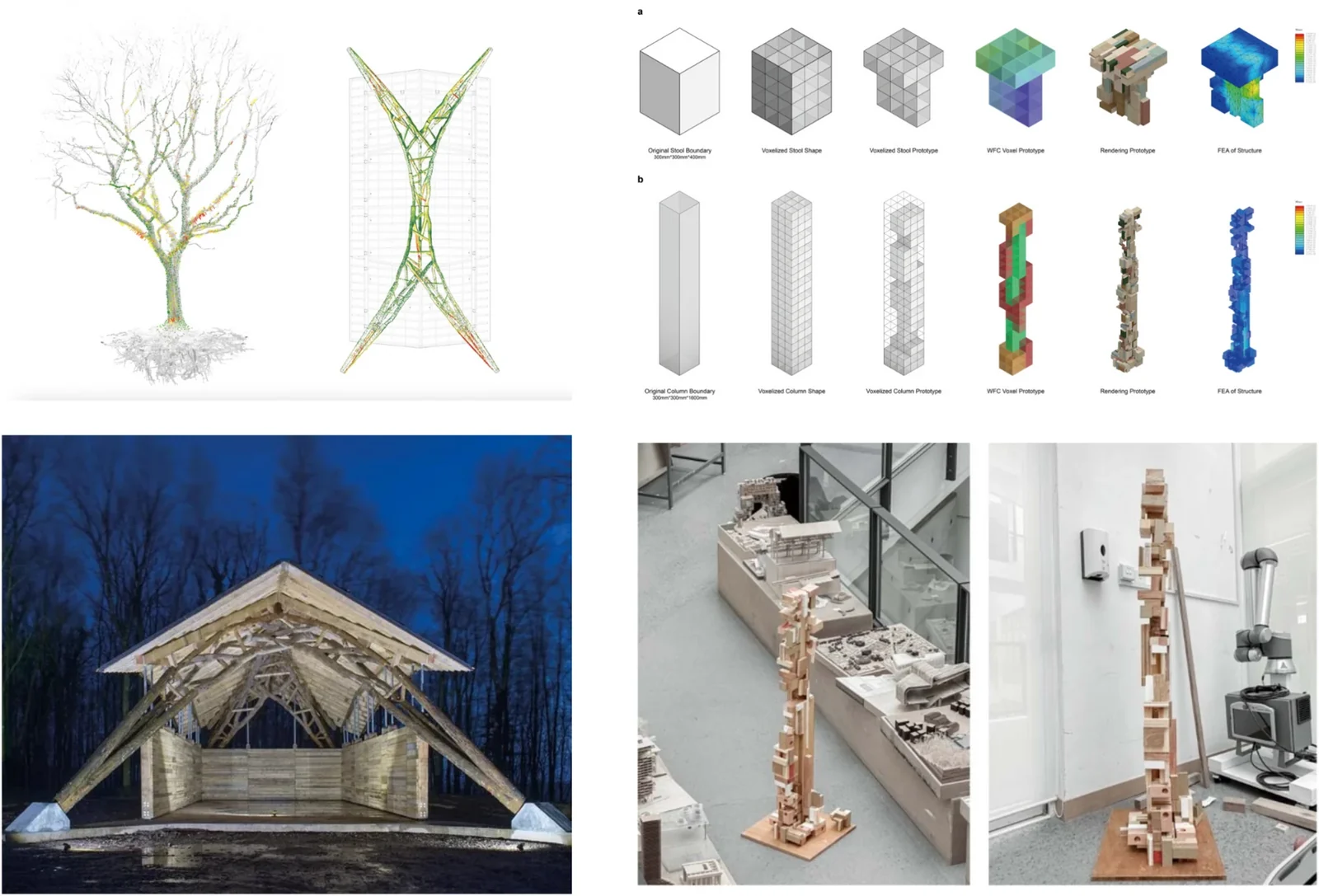
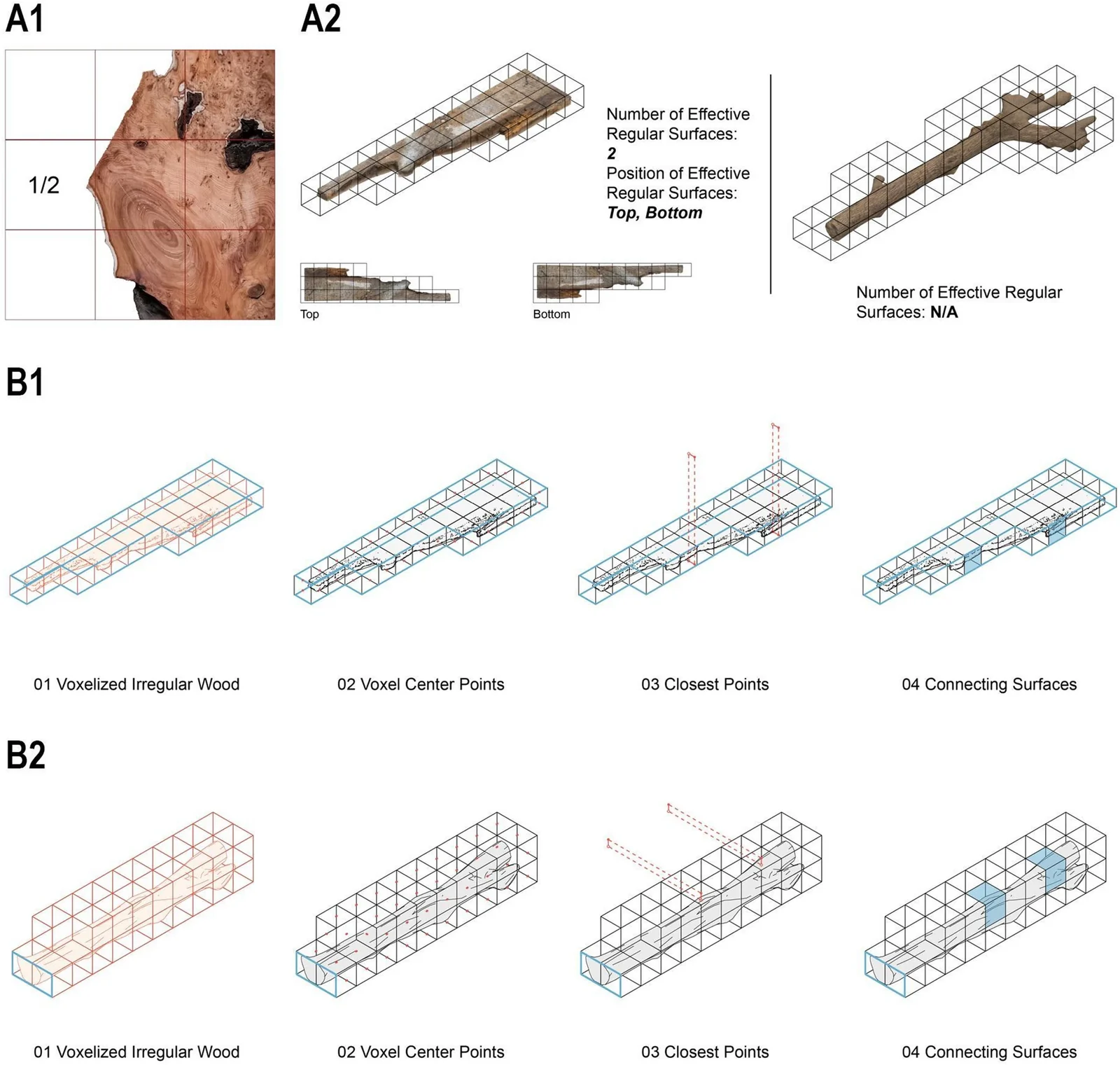
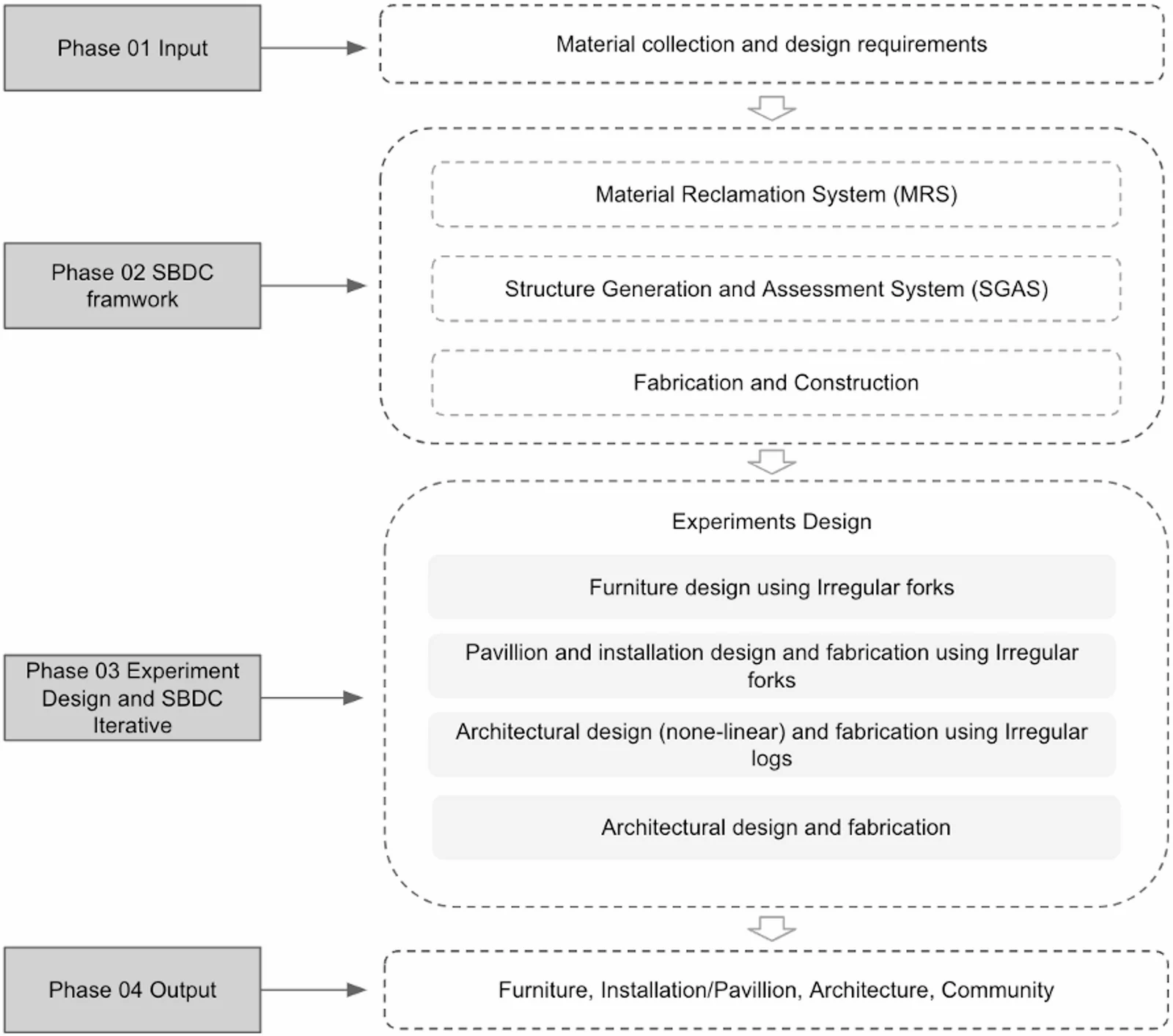
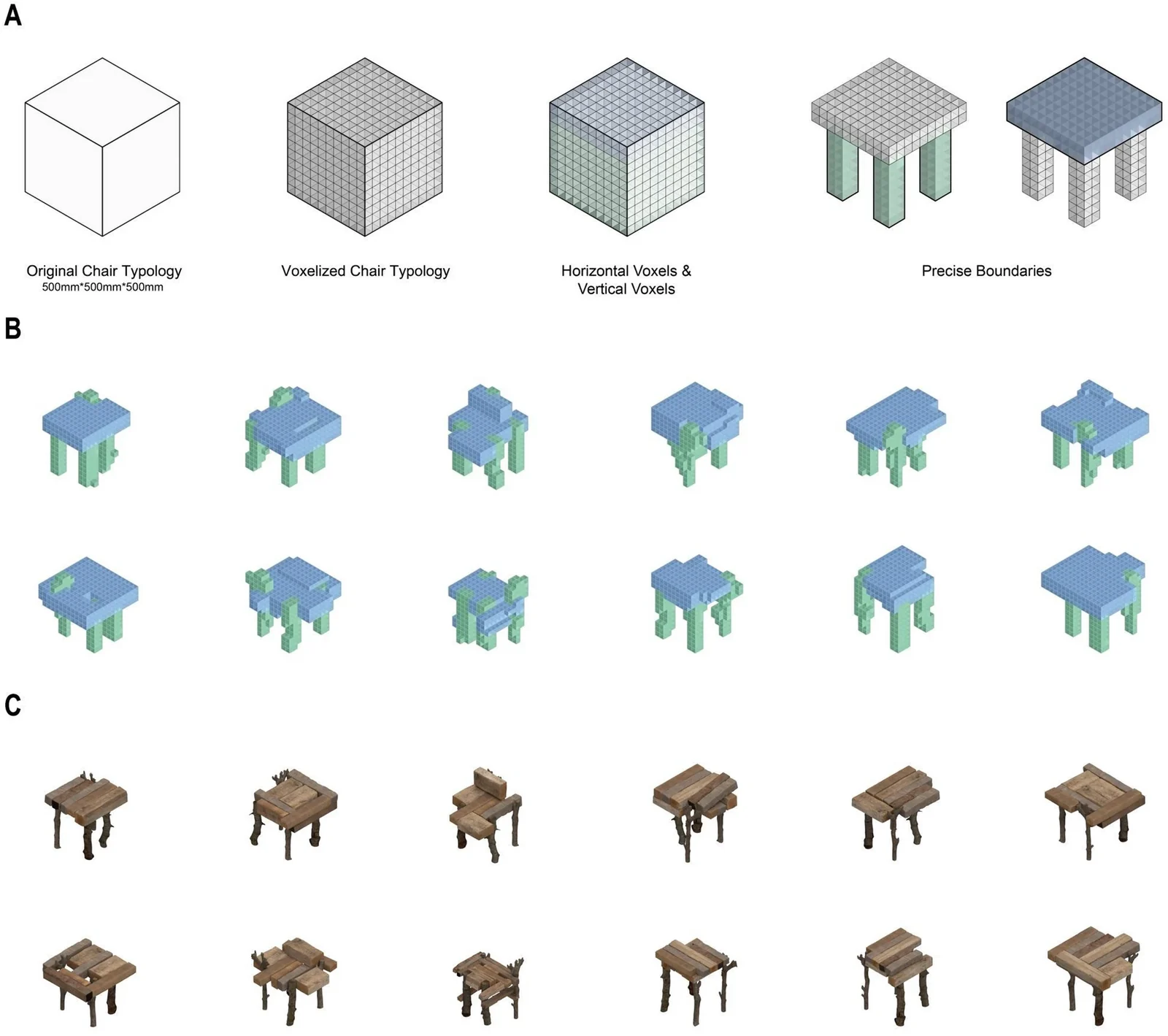
In sustainable building design and construction (SBDC), irregular timber elements — unprocessed logs, forks, and branches — remain significantly underutilised because their complex geometries complicate reconfiguration and generate considerable waste. This study introduces a computational workflow that optimises the upcycling of irregular wood into feasible building components, applying Wave Function Collapse (WFC) as a digital aggregation method to automate the spatial configuration of non-standard elements.
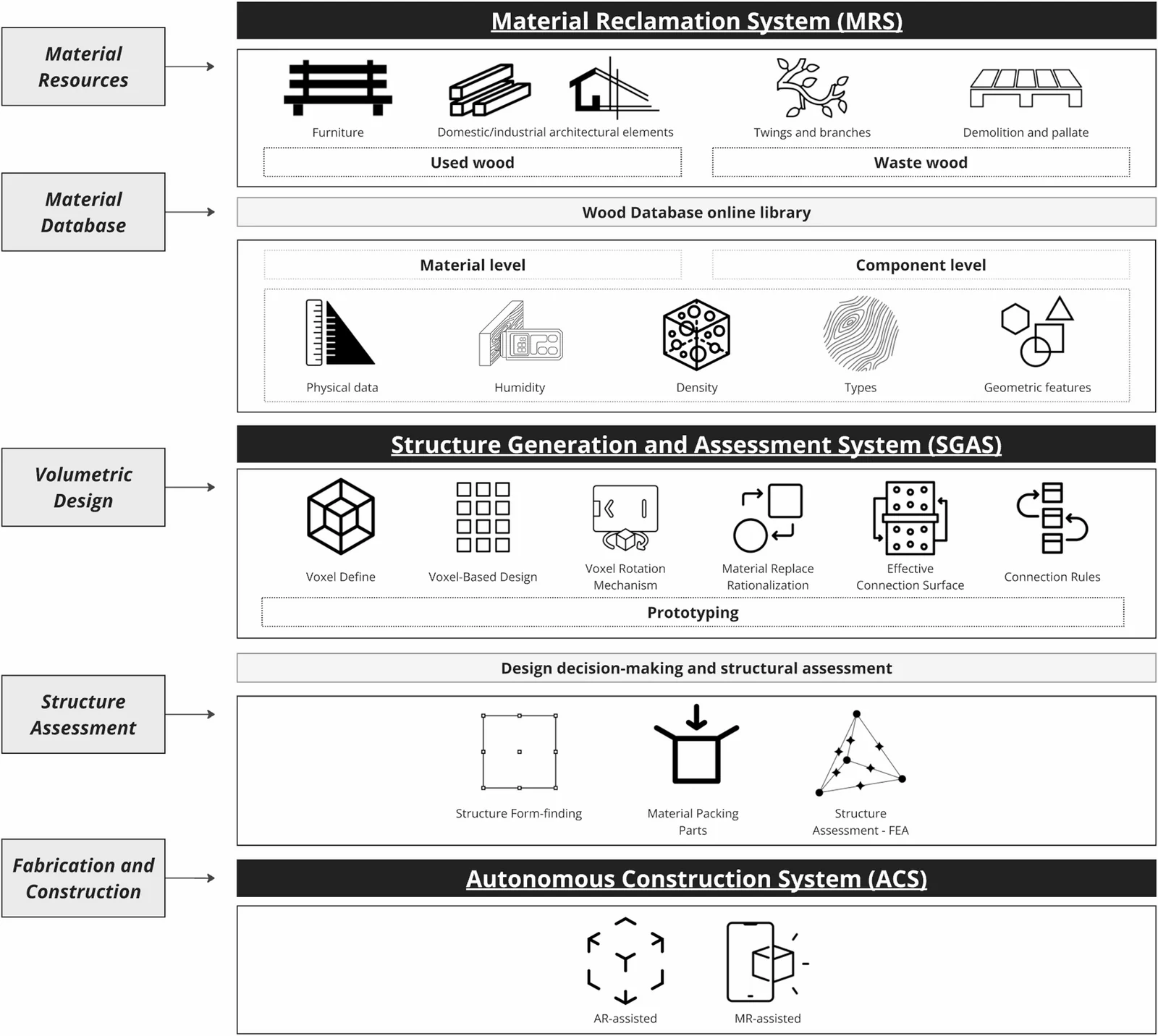
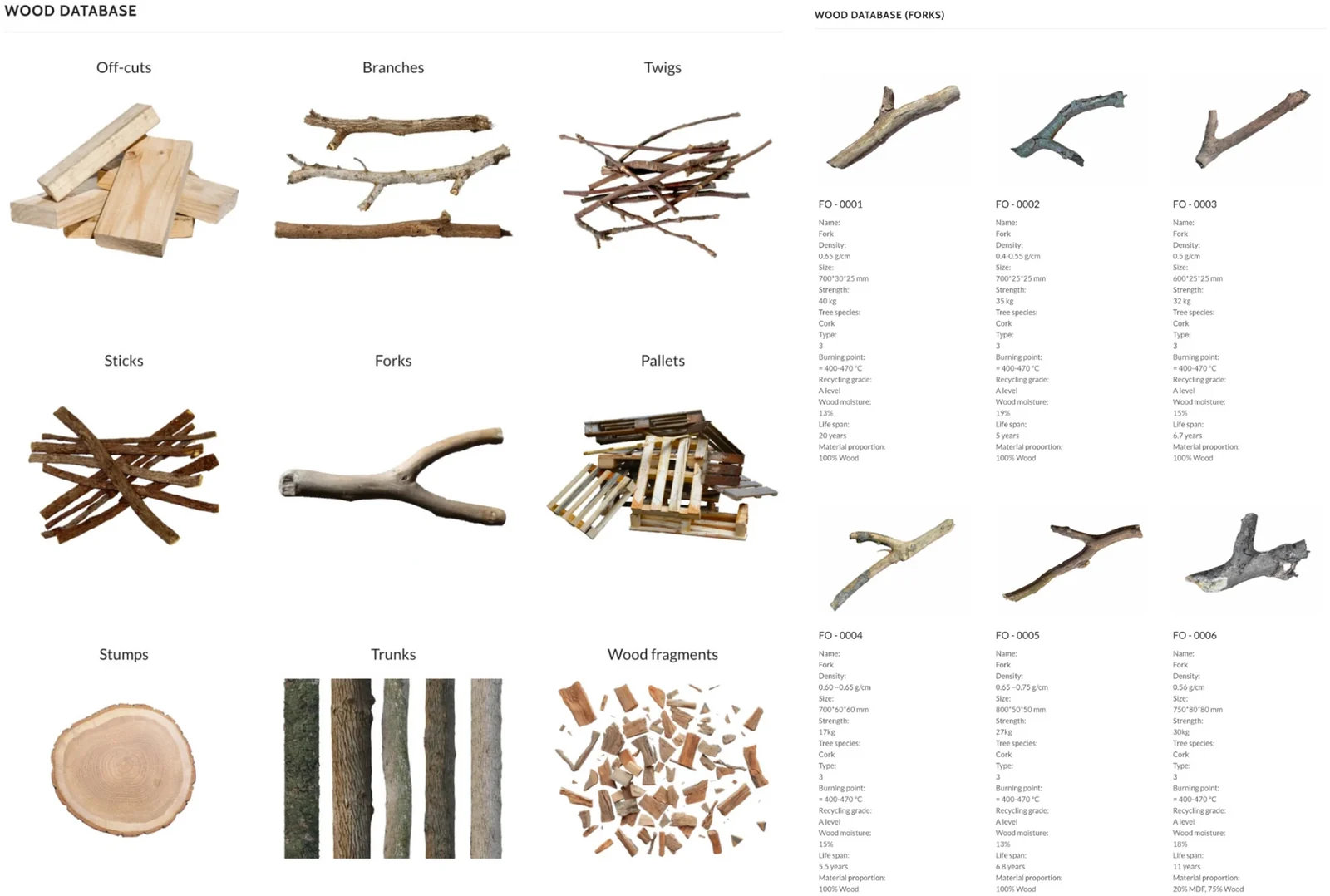
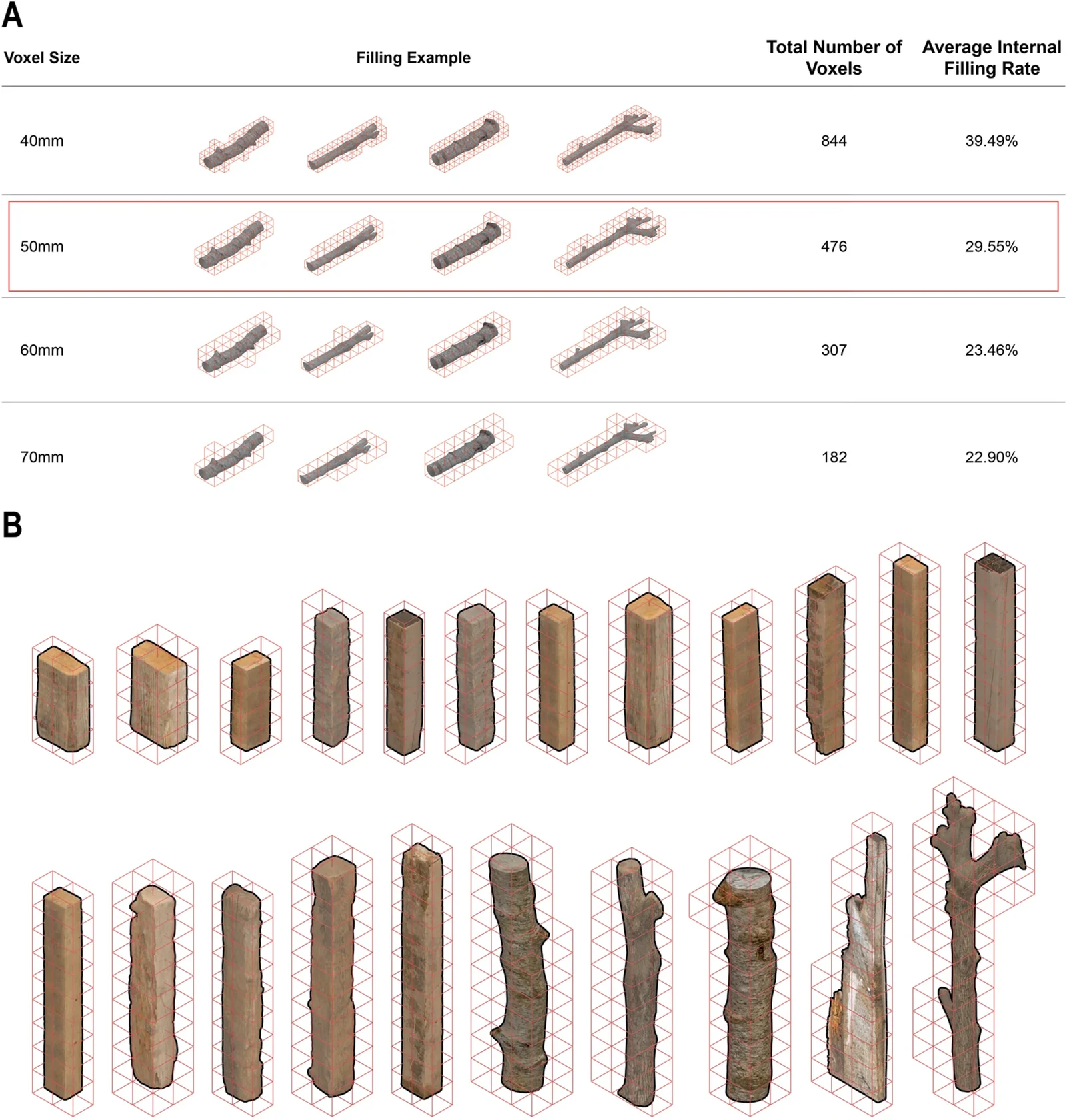
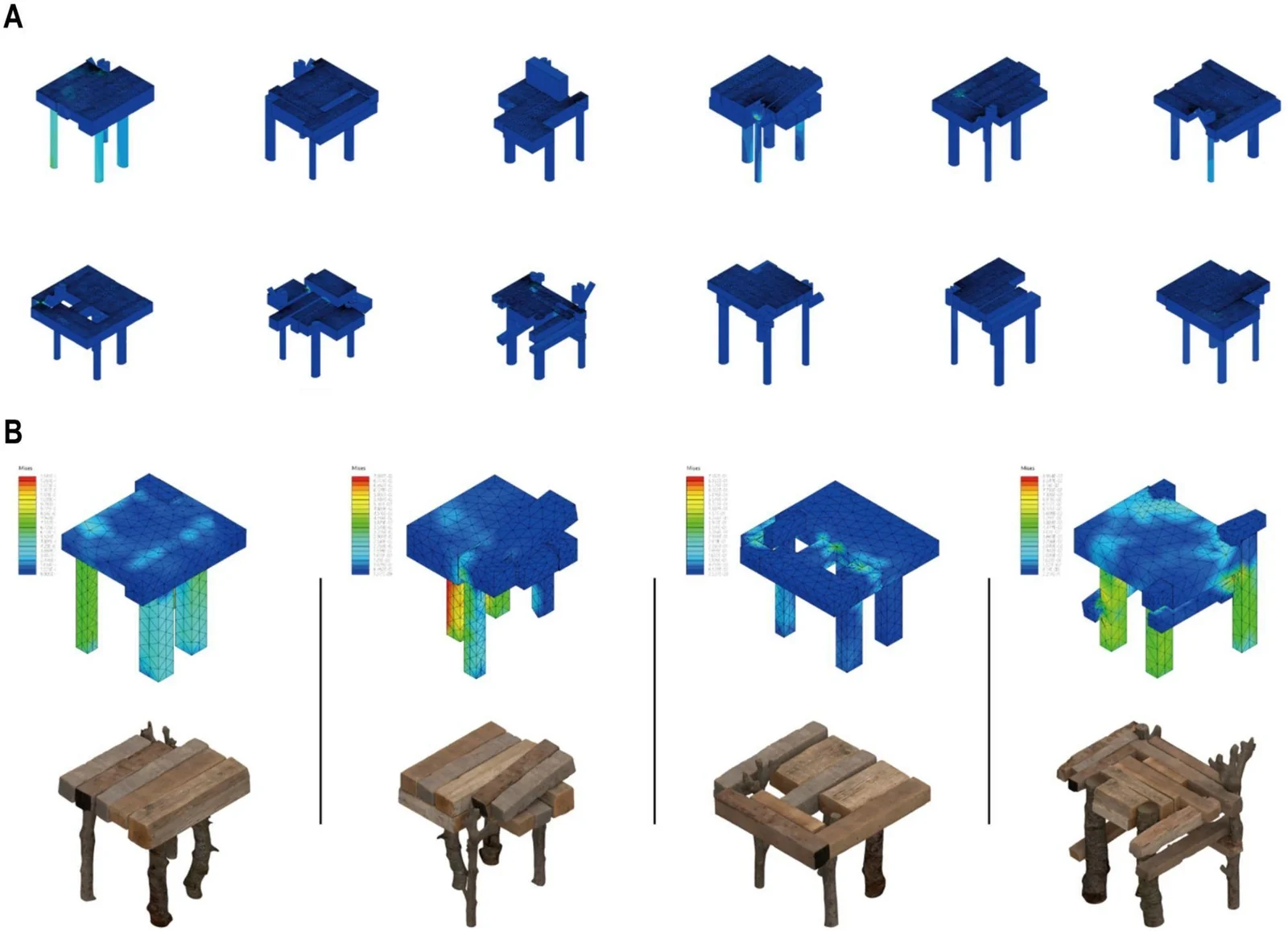
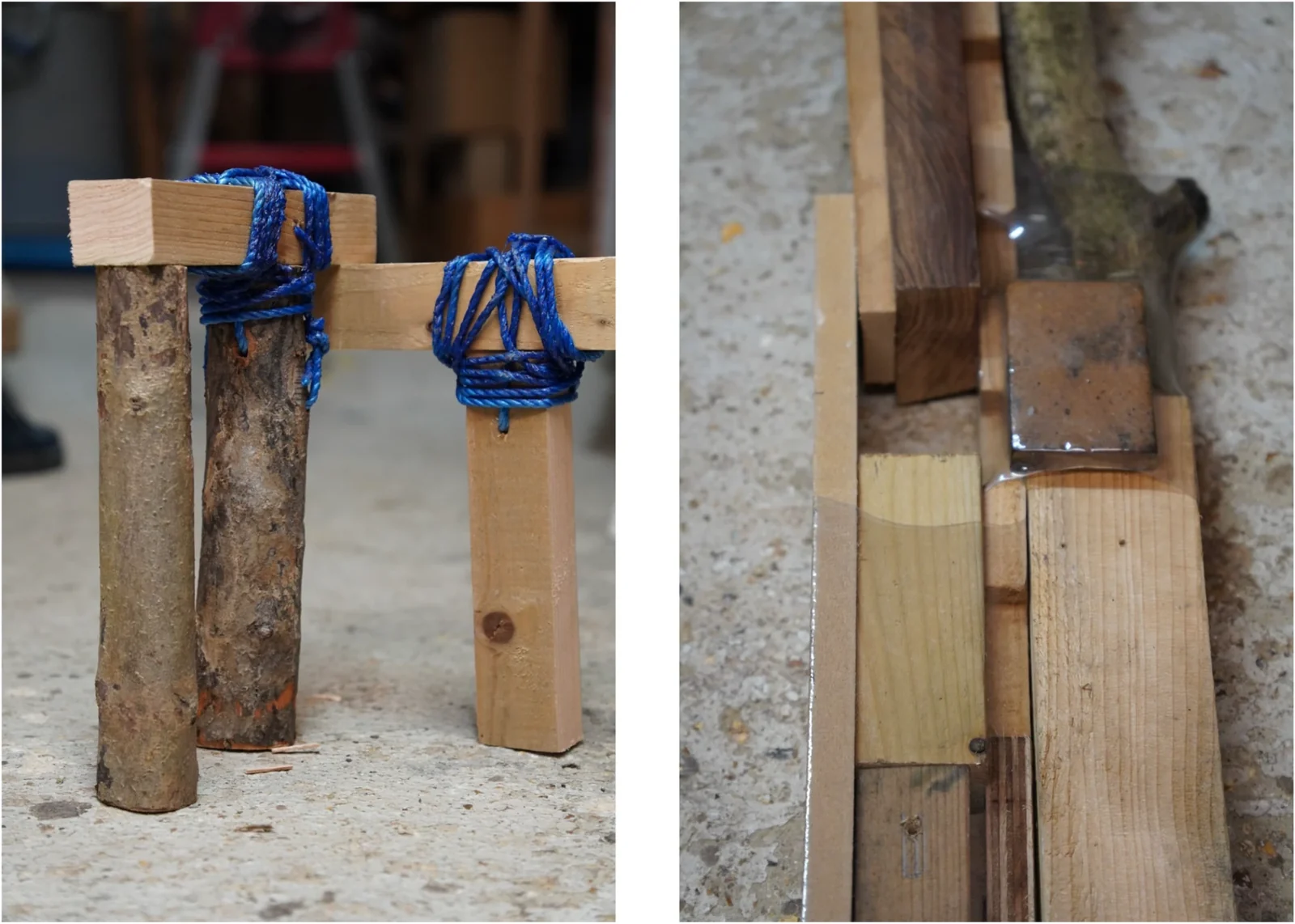
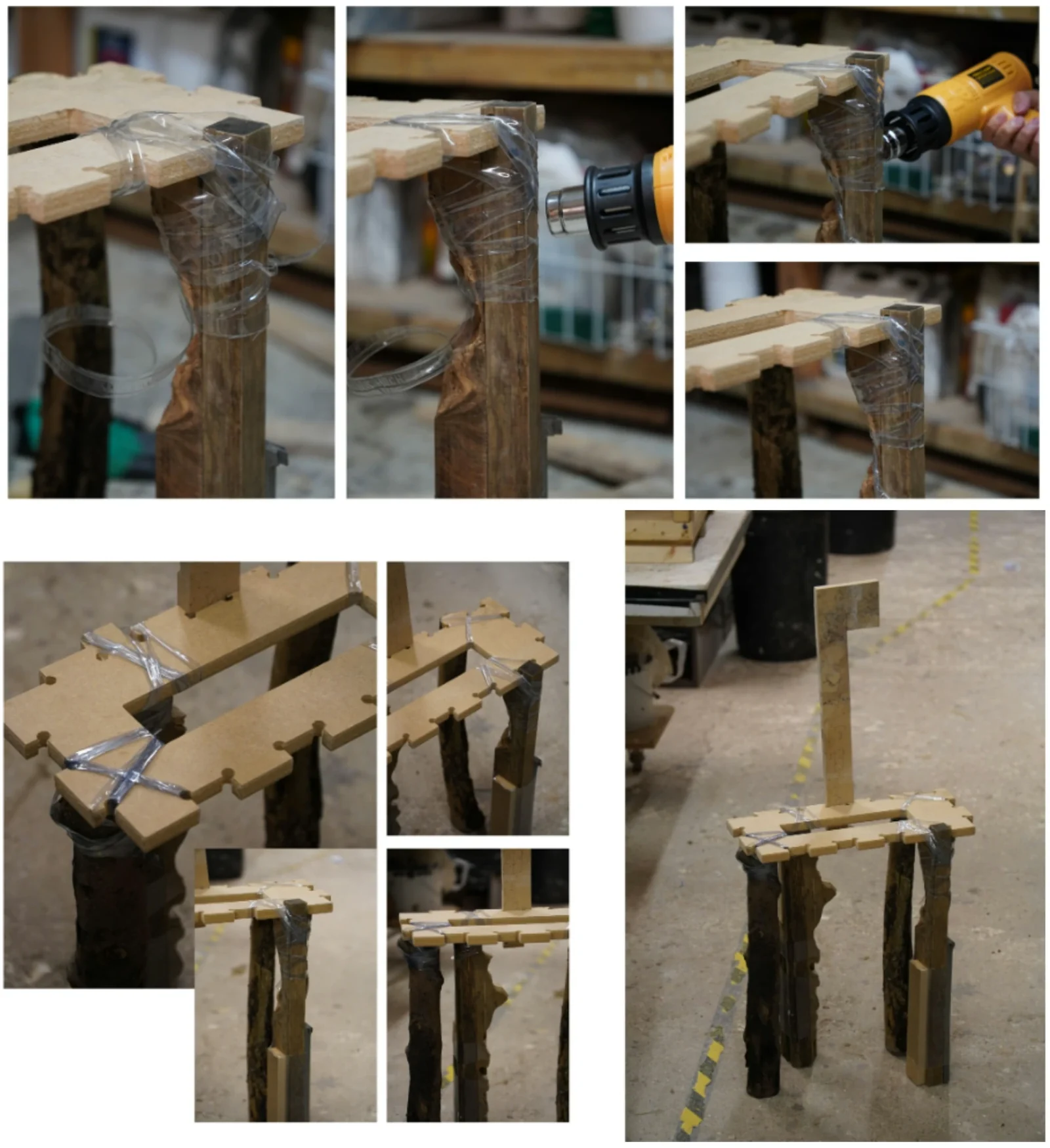
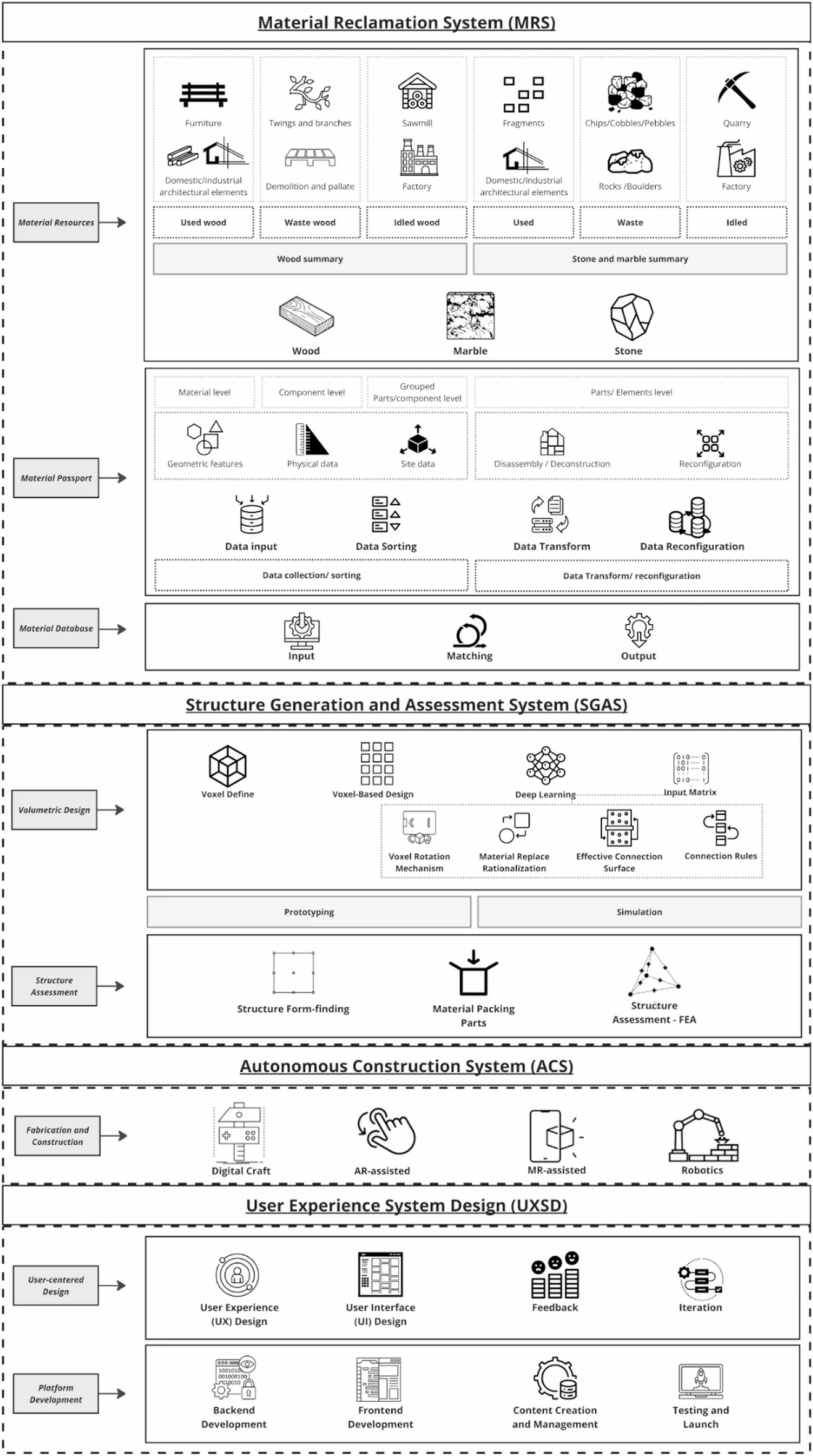
The method integrates 3D scanning, algorithmic aggregation, and Finite Element Analysis (FEA) to assess structural viability and ensure efficient material use. For joinery, a heat-moldable connection method using recycled PET bottles is developed: by leveraging the heat-shrink properties of PET, structurally stable joints form between upcycled wood components without adhesives or mechanical fasteners.
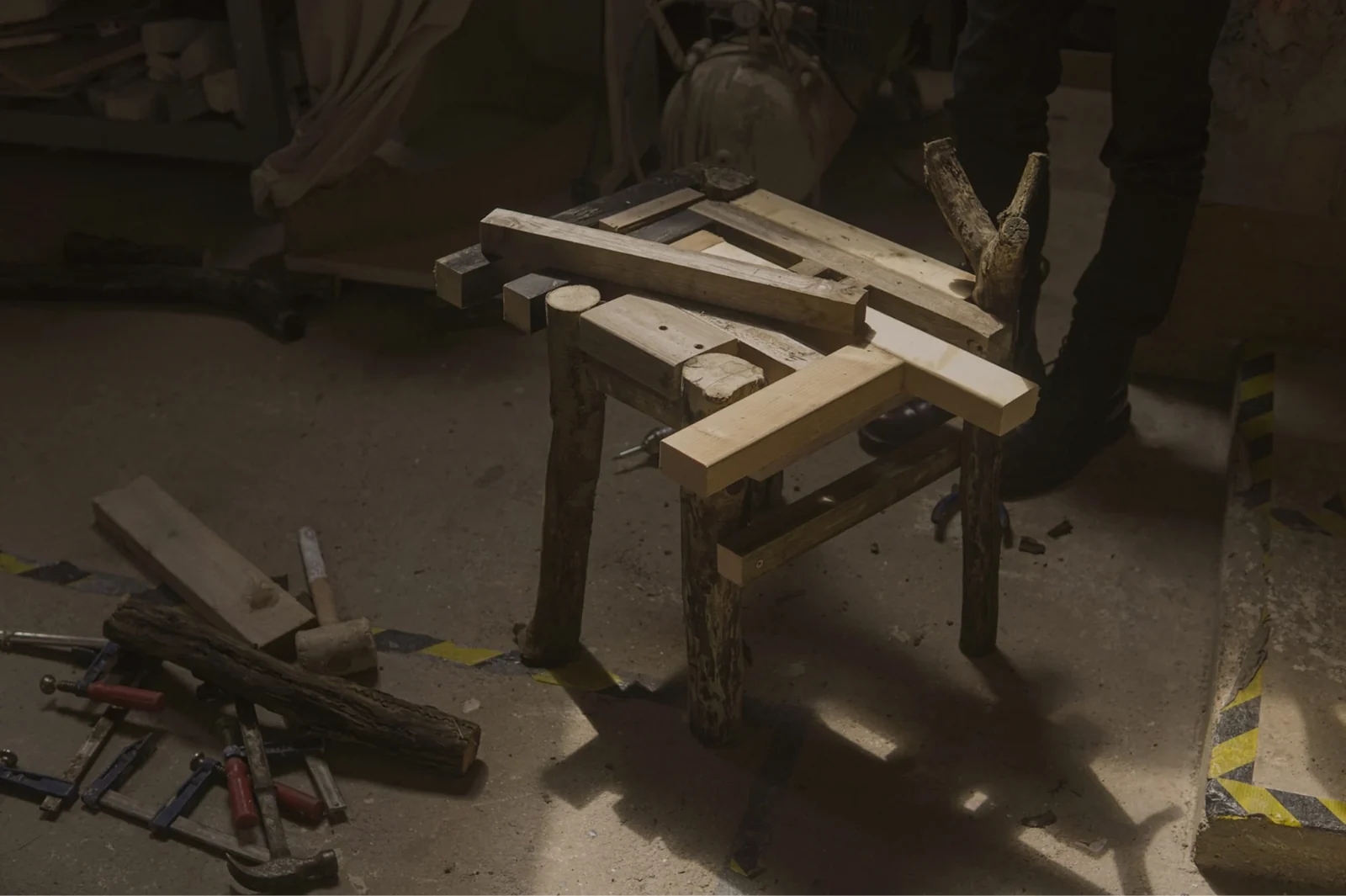
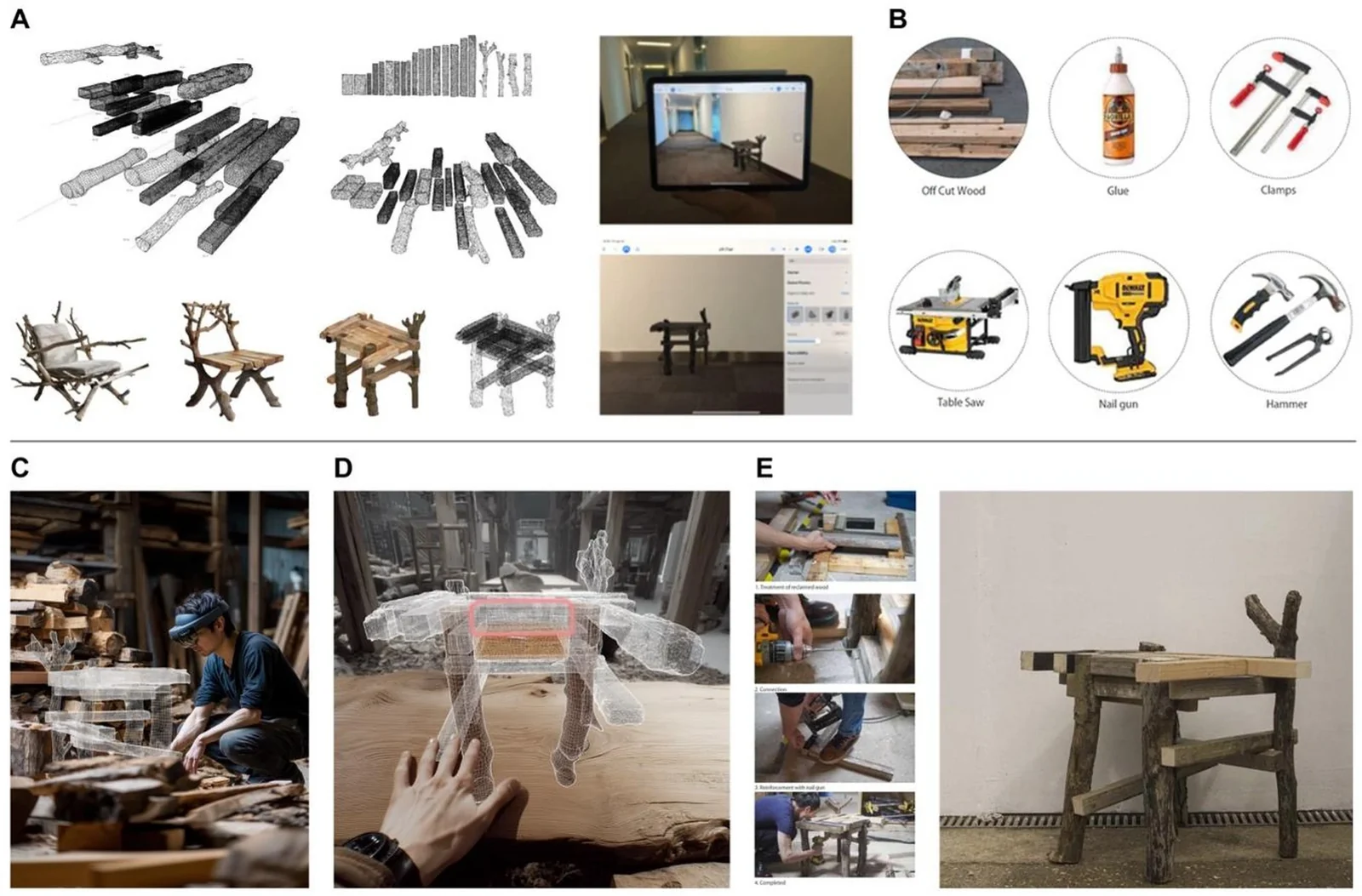
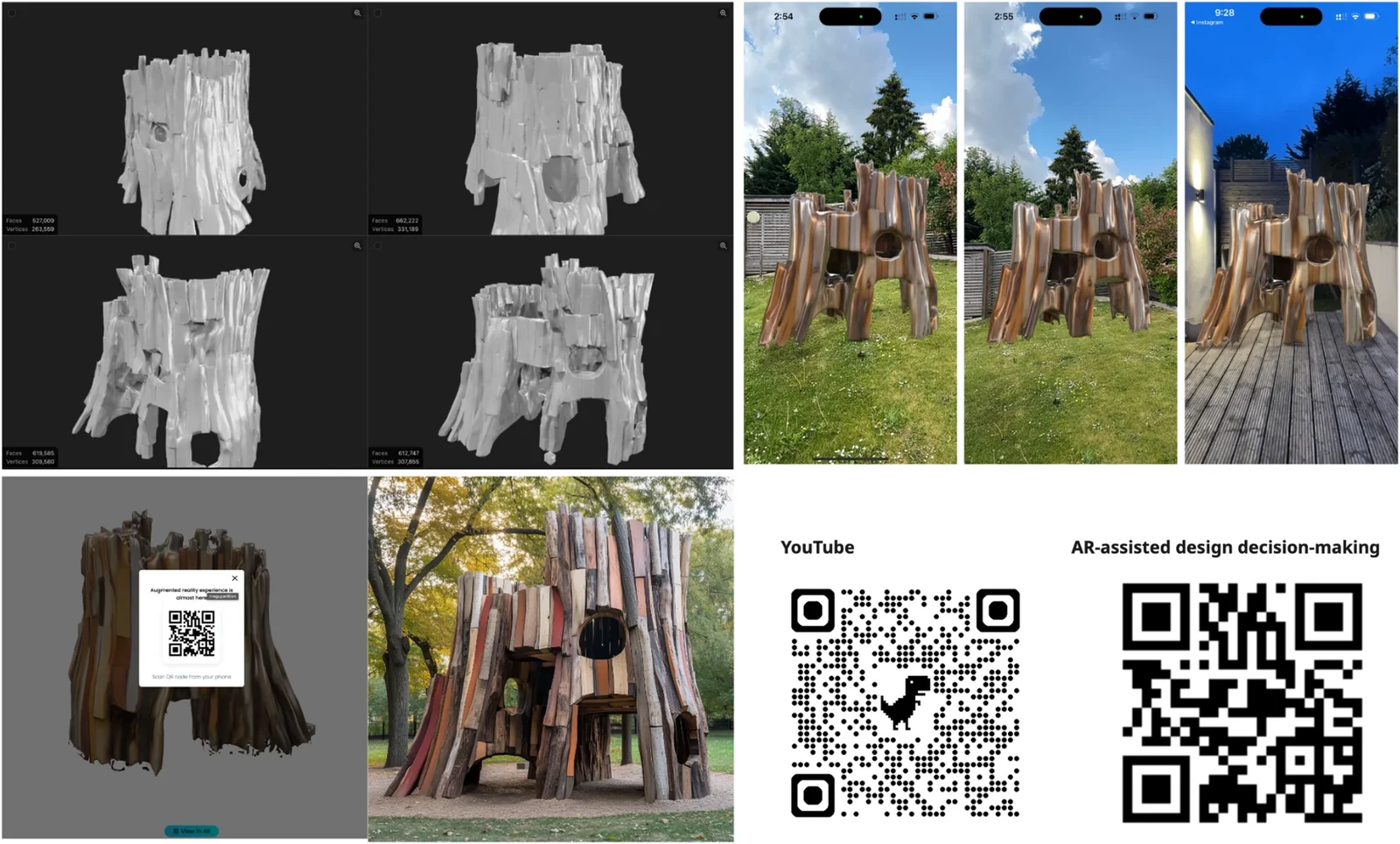
The framework is demonstrated through functional furniture and pavilion-scale architectural prototypes. It advances Computer-Aided Architectural Design (CAAD) and construction techniques through 3D scanning, volumetric design, AI-driven building-scale ideation, and AR- and MR-assisted assembly — showing scalable, accessible solutions for sustainable architecture and circular material reuse. WFC-based aggregation increased material utilisation by an average of 28–35% over conventional milling, while MR guidance lowered the barrier to entry for non-expert builders.