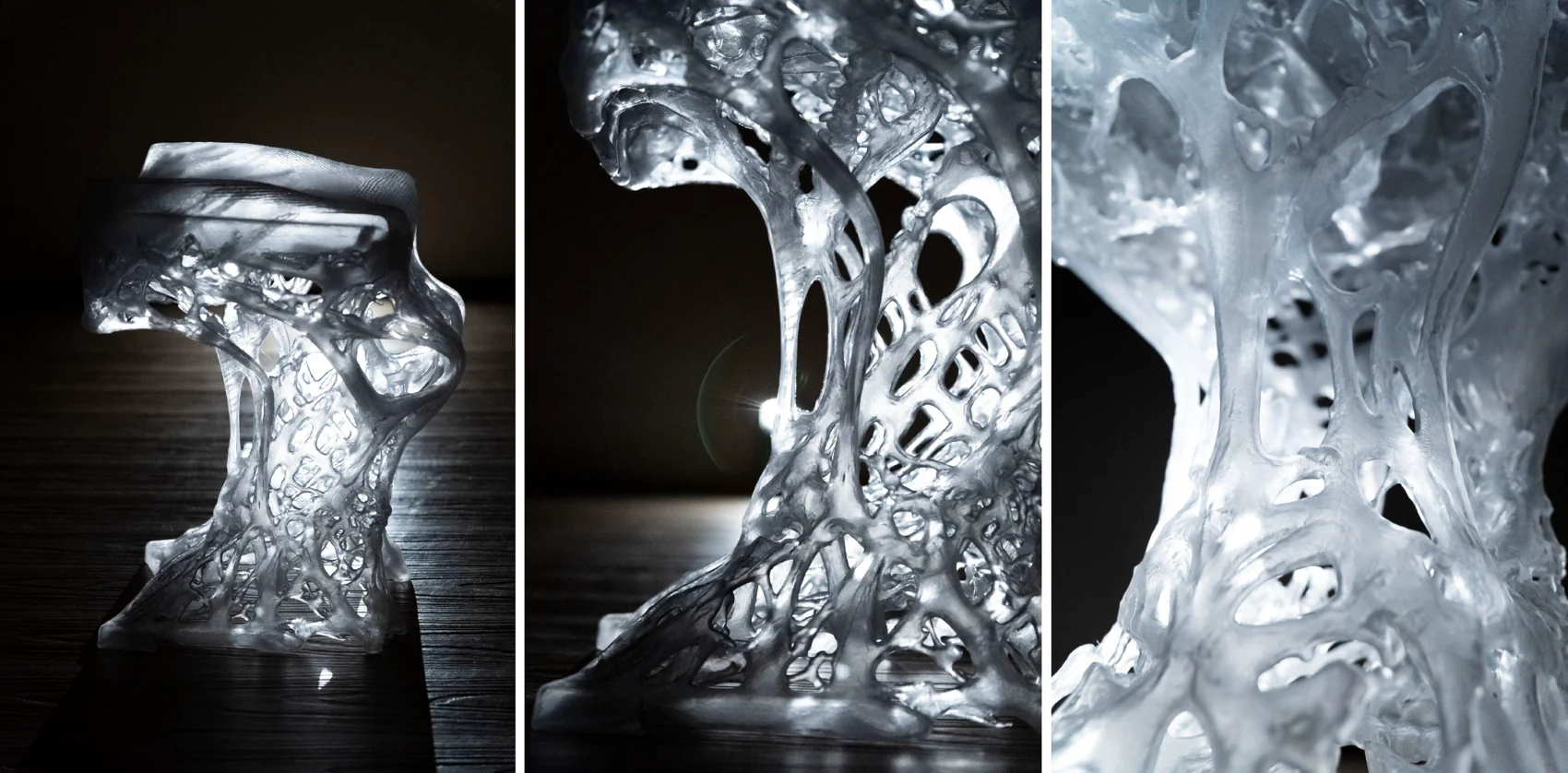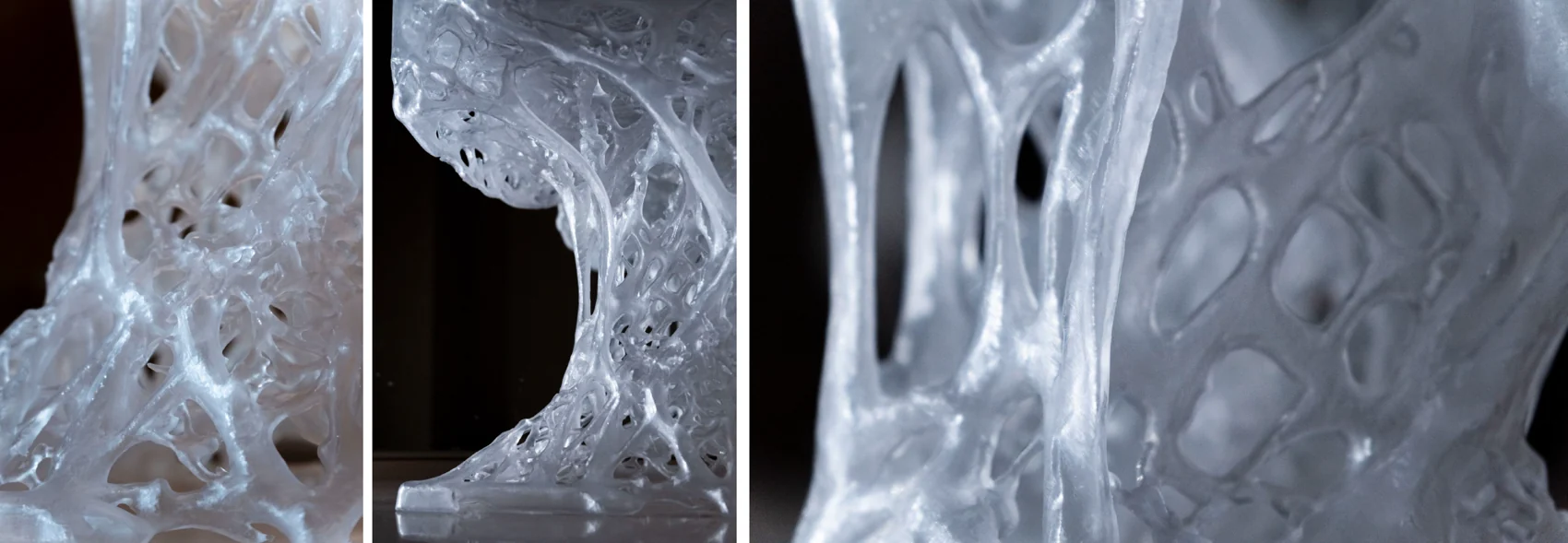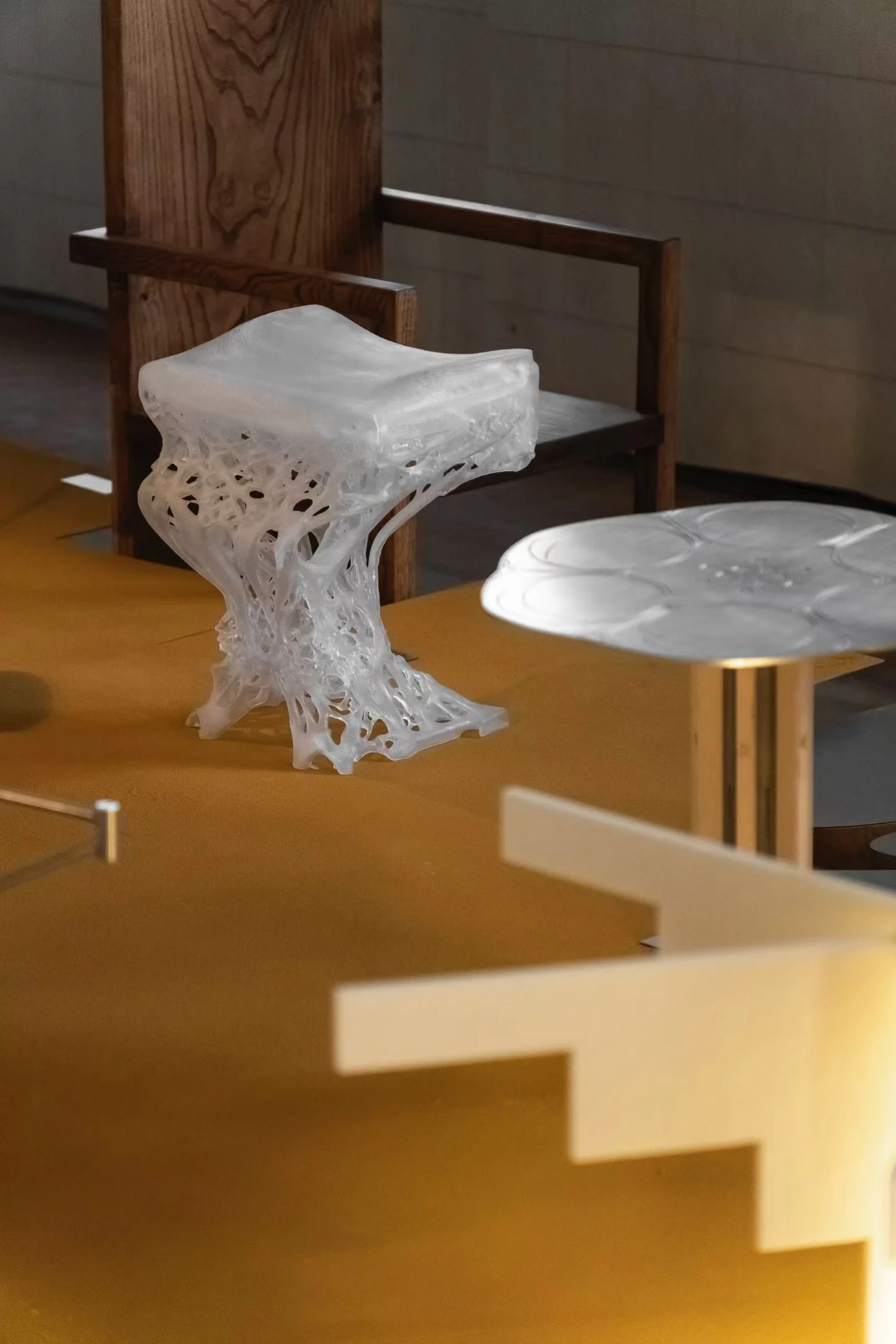
Generative Biomimicry: A wasp nests-inspired 'Structure-Code DNA' in design and fabrication
Abstract
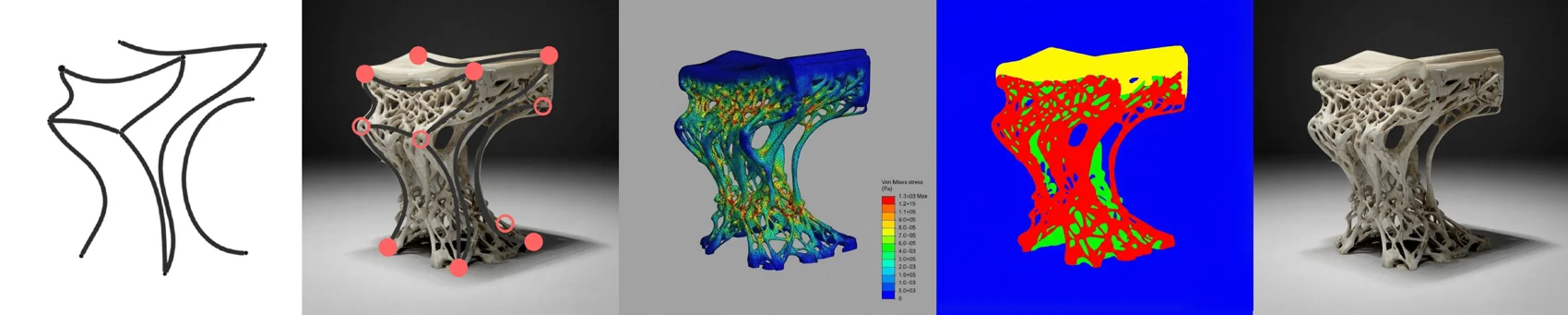
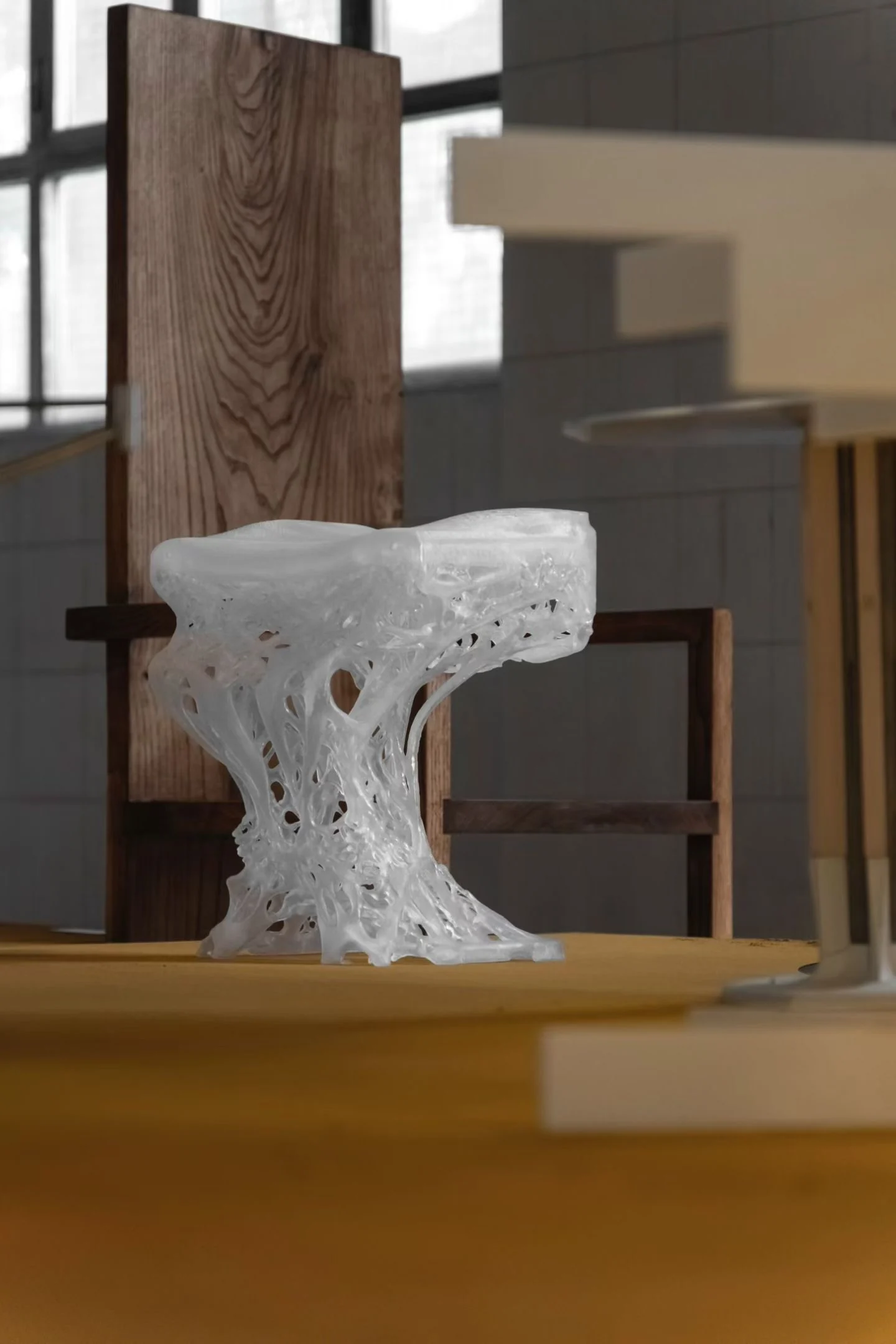
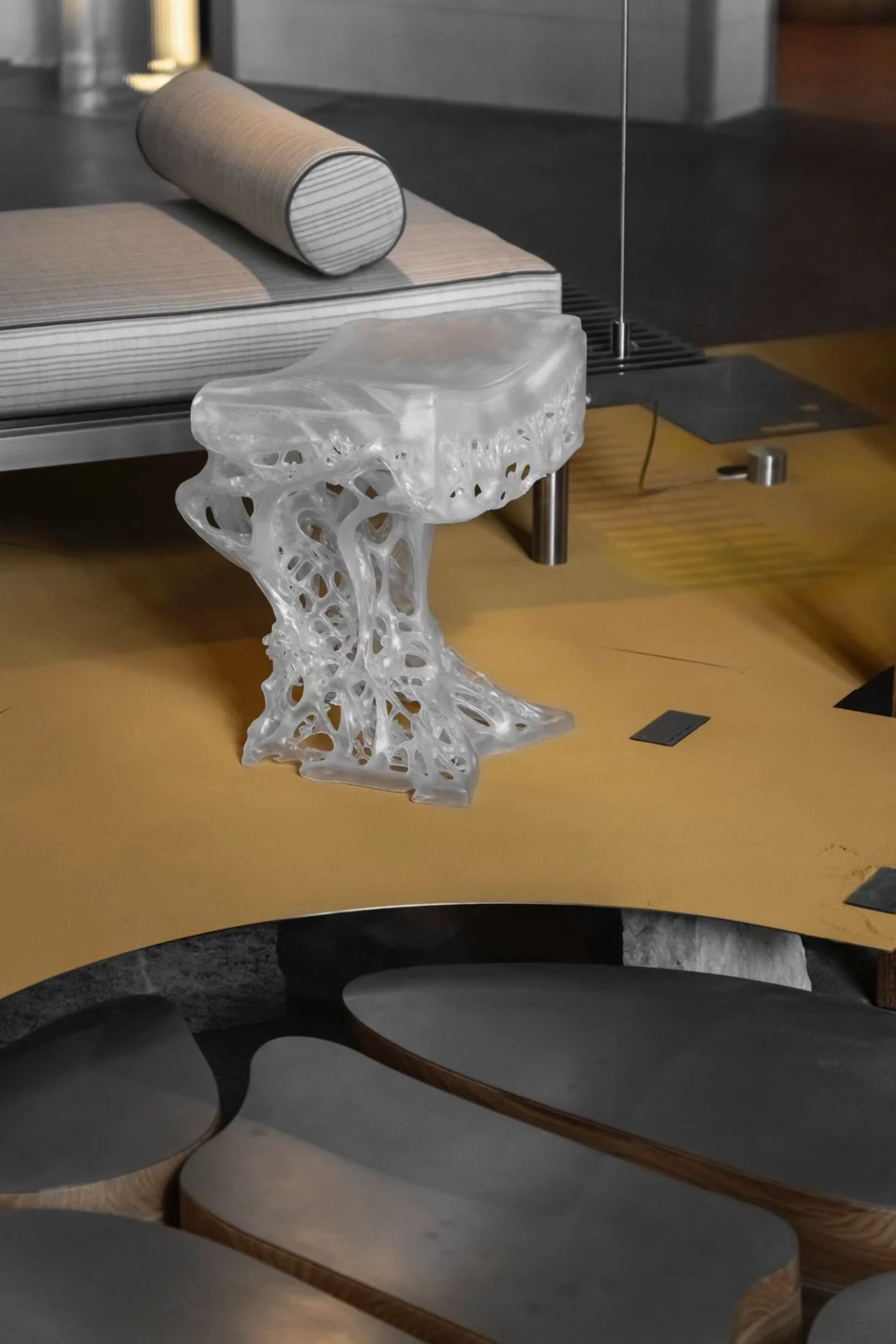
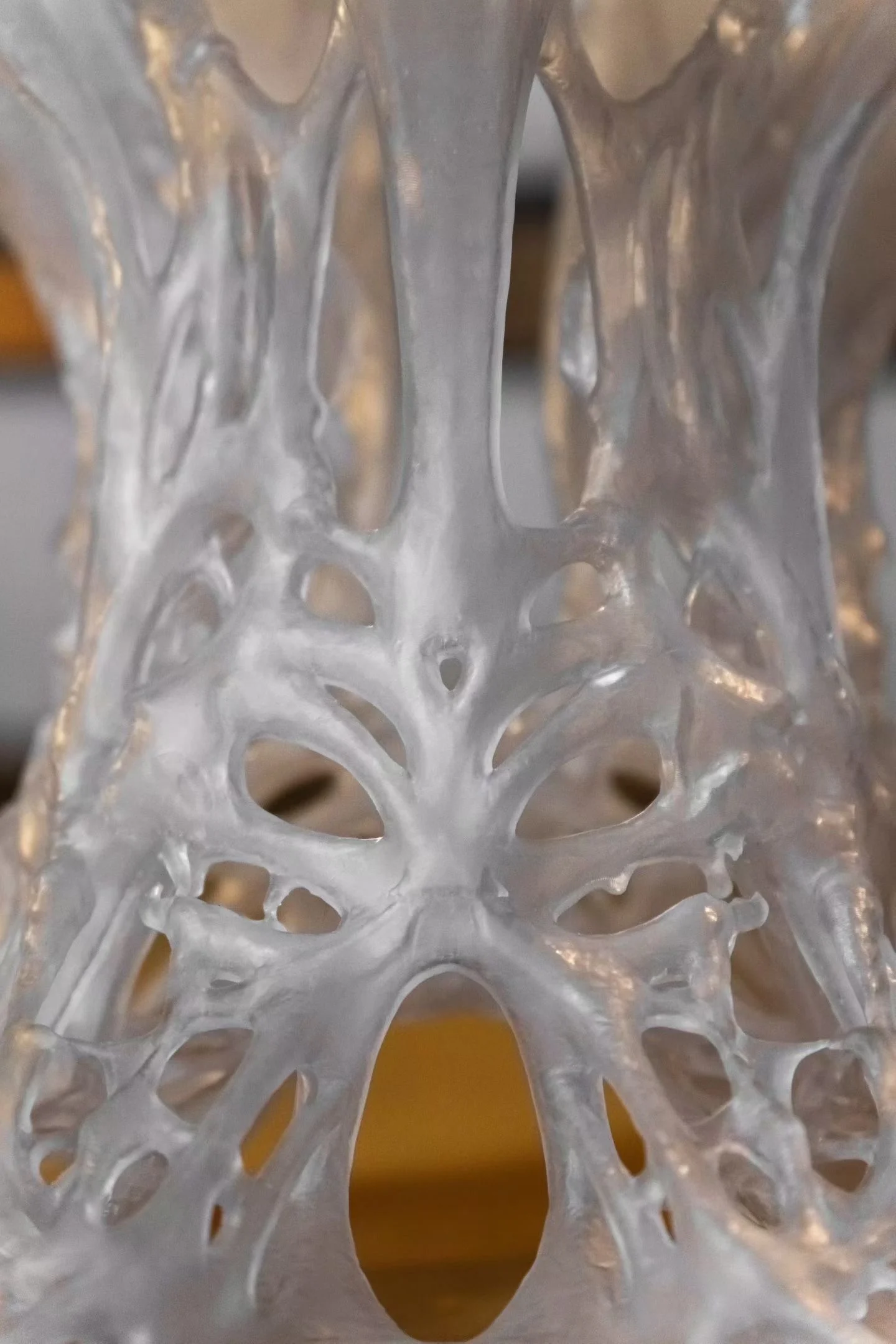
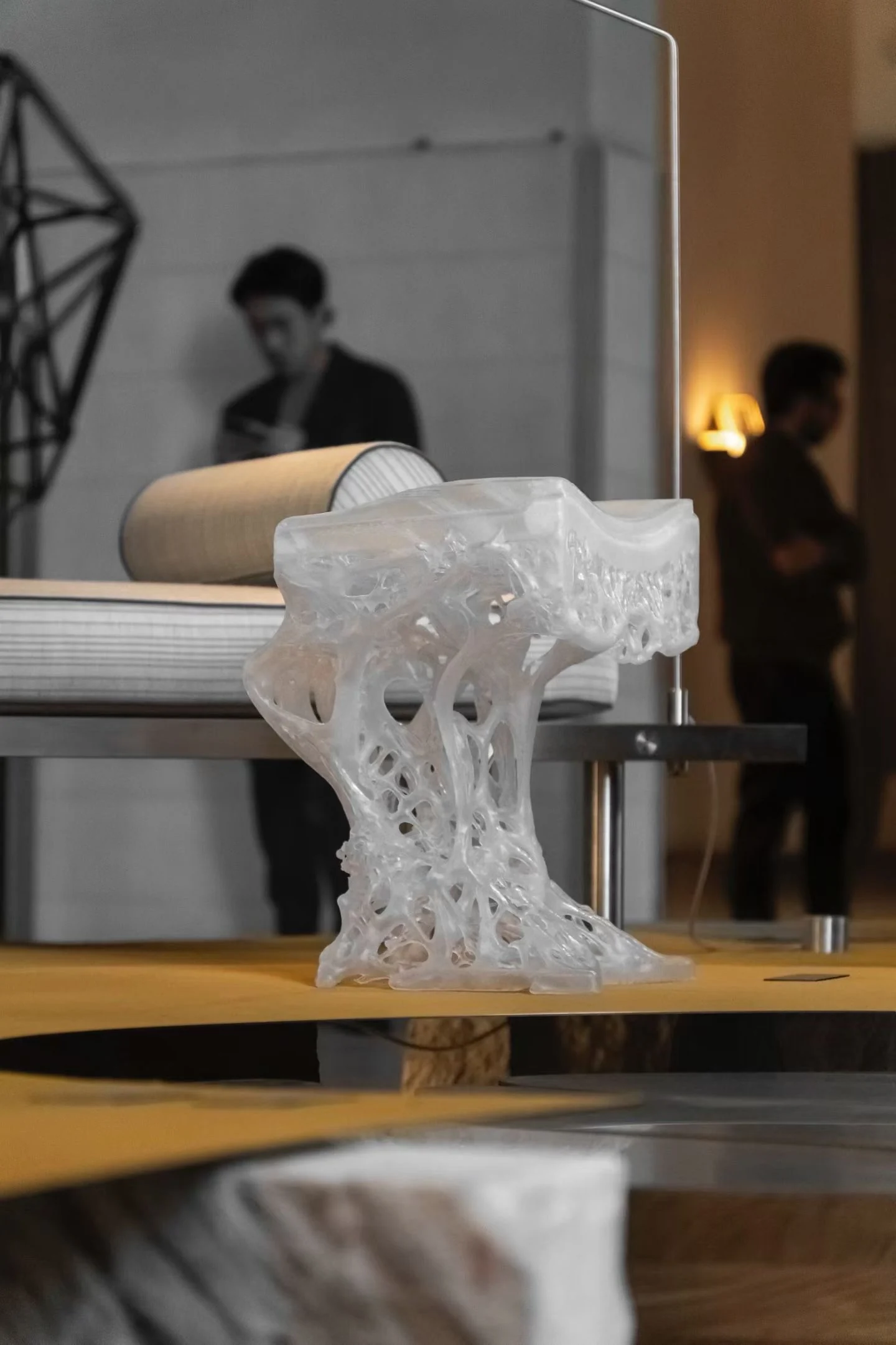
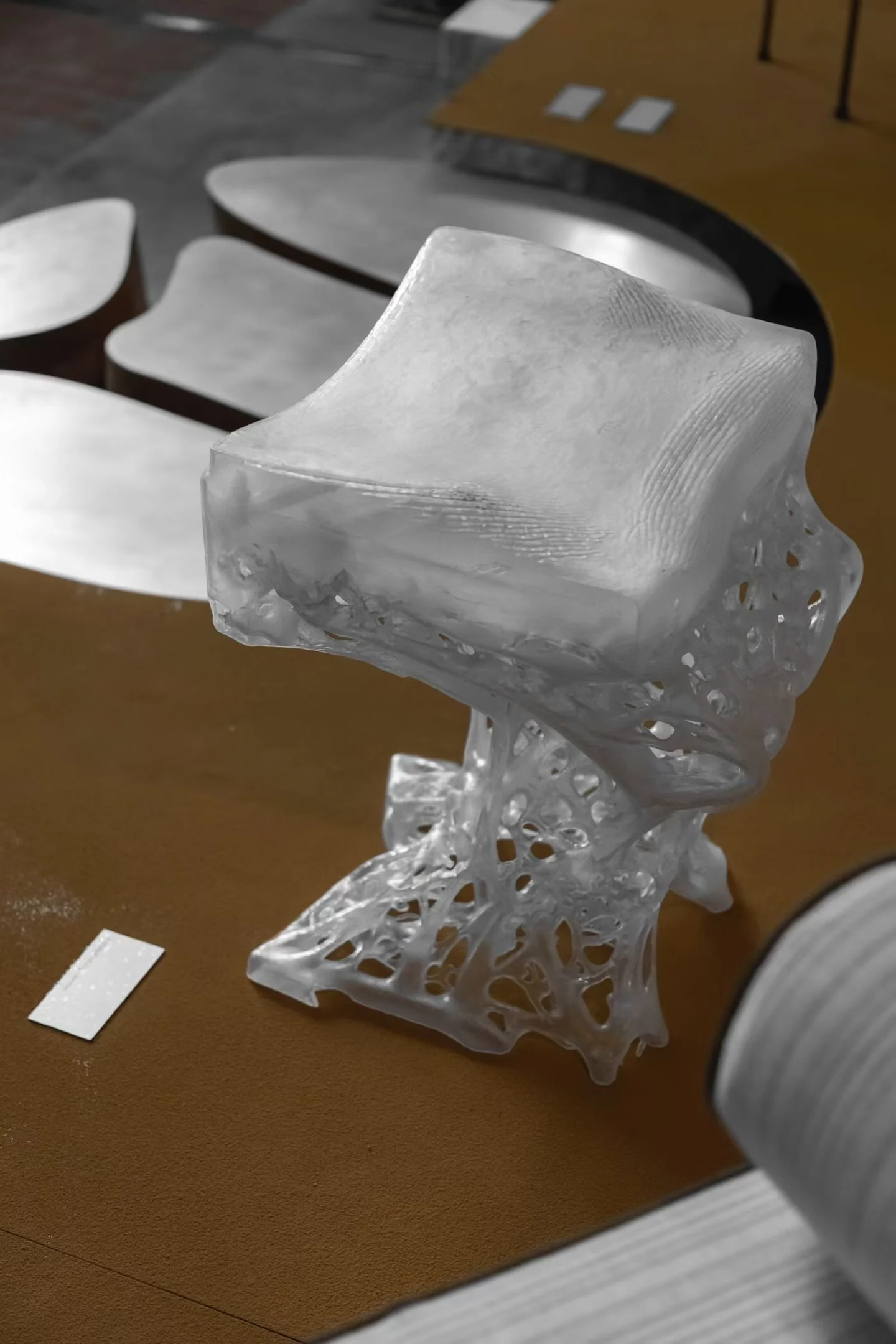
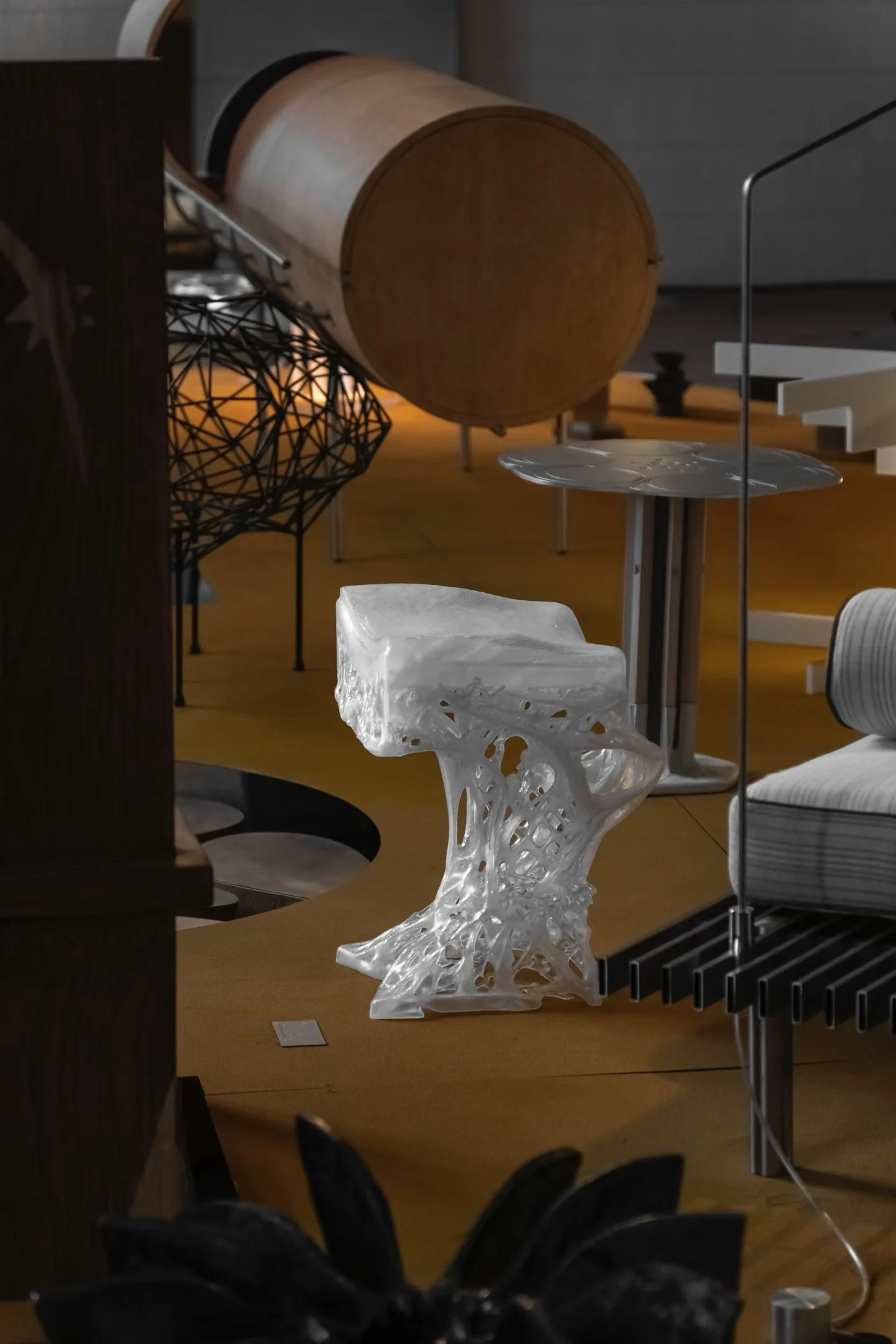
Generative Biomimicry extends the Bio-ComfyUI workflow into a physical design object: a wasp-nest-inspired stool whose form is grown from a "Structure-Code DNA" that links structural performance, biological growth logic, and AI-driven synthesis. The same multi-condition generative pipeline — structural skeleton, topological nodes, semantic bitmap, and stylistic reference — is here directed toward a single fabricated artefact.
A dedicated LoRA model, fine-tuned on 200–800 images of architectural and biological structures (Rank 16/32), captures complex biomimetic textures without losing geometric stability. A dynamic weight-scheduling strategy lets structural and topological control dominate the early diffusion steps while the stylistic layer gradually introduces delicate biological texture in the later steps.
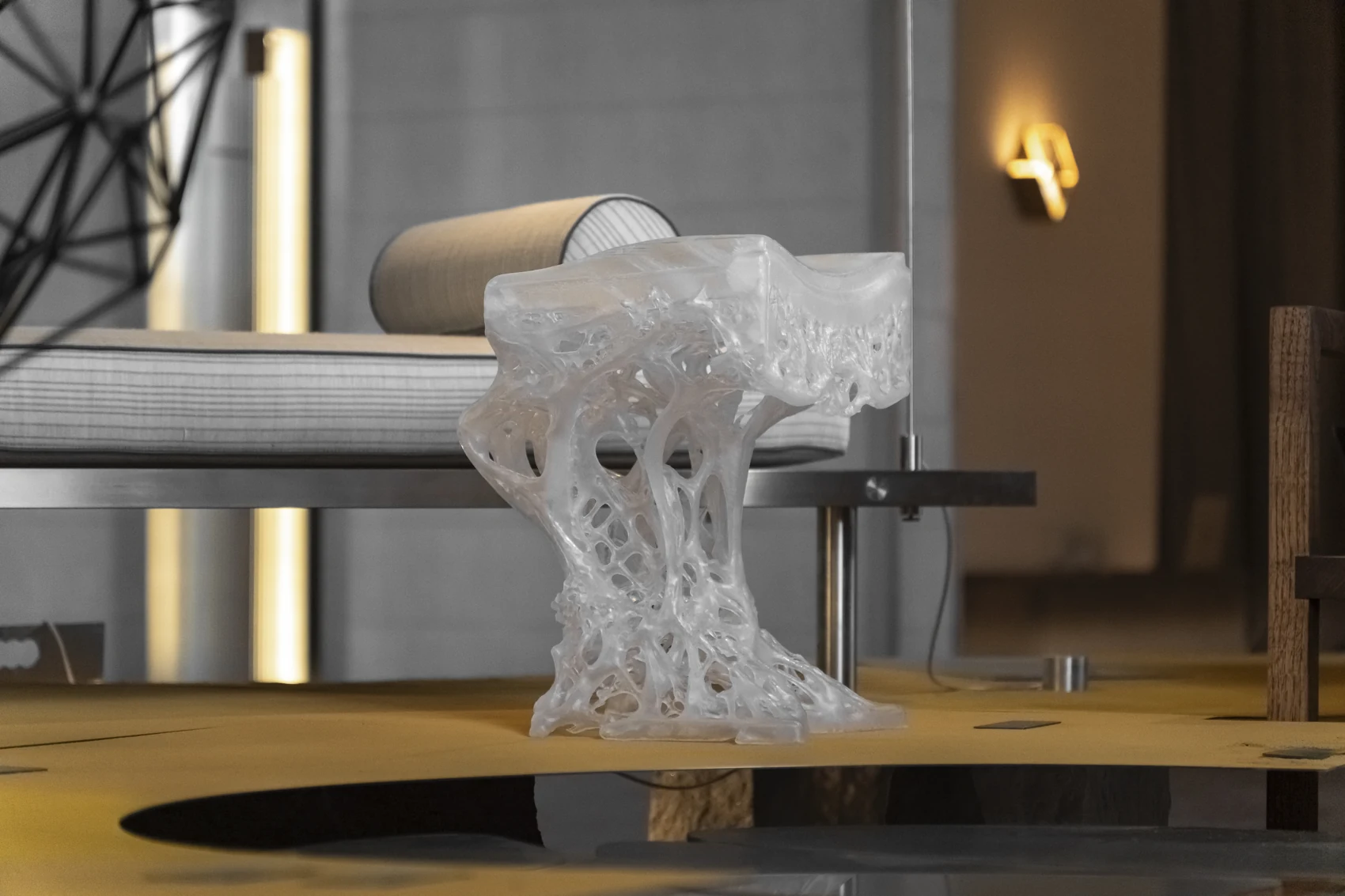
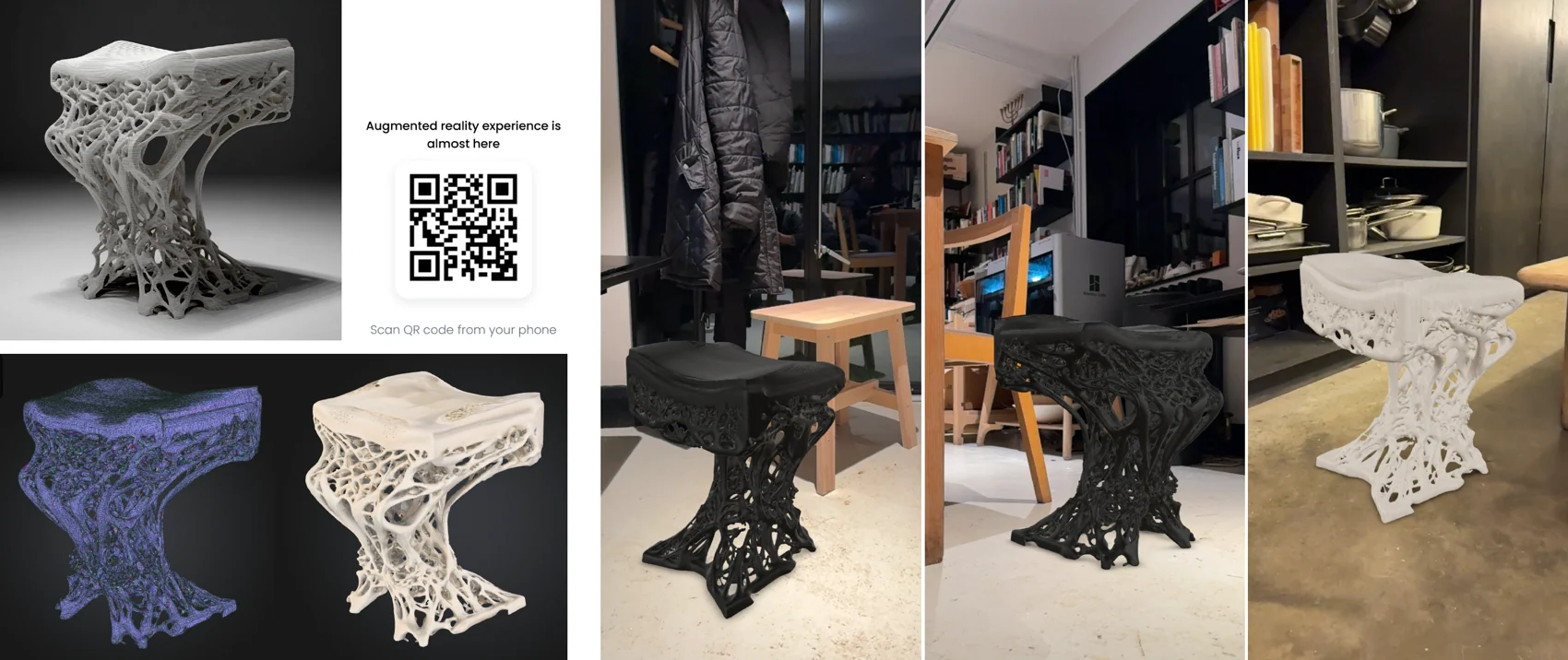
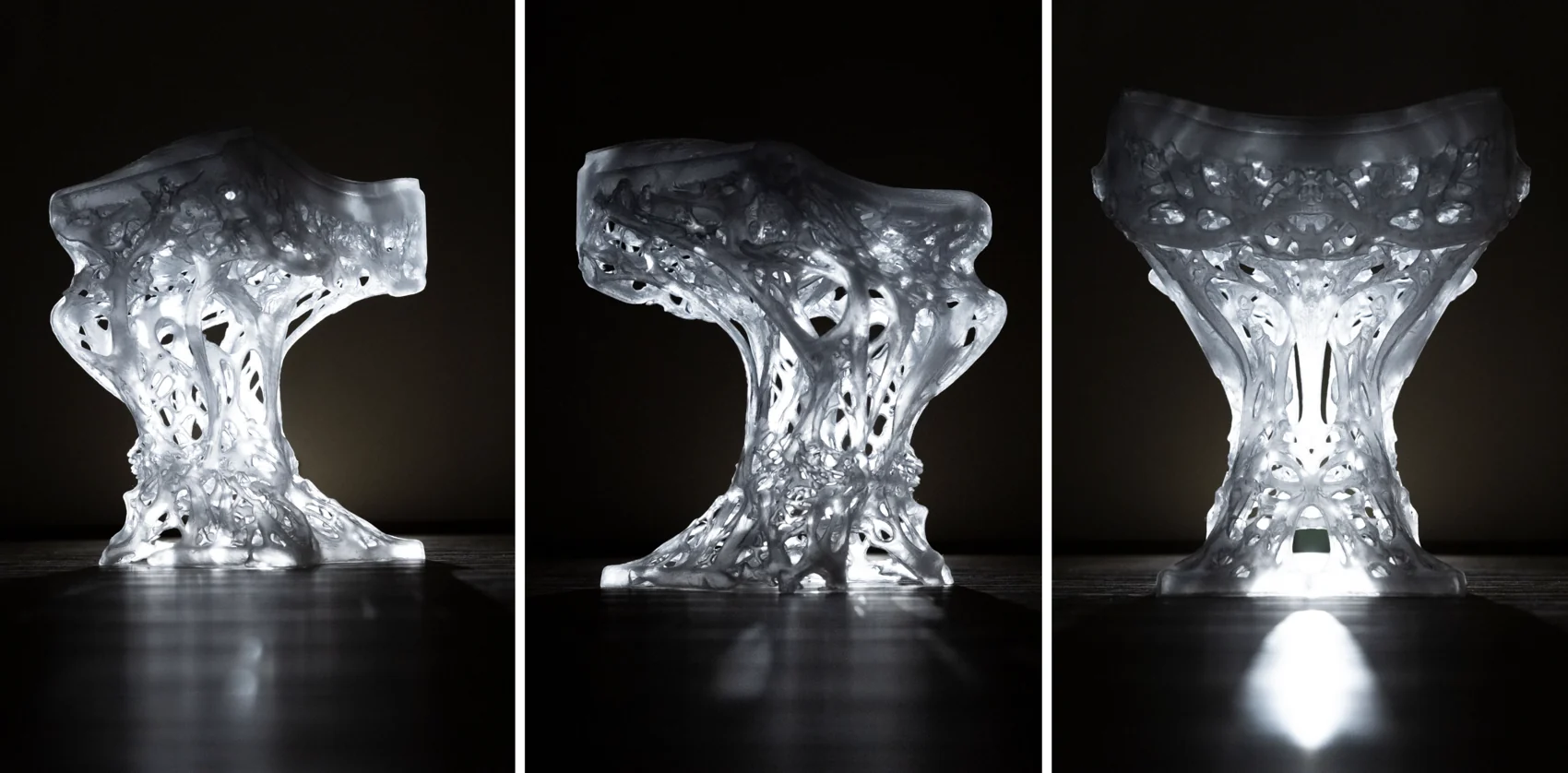
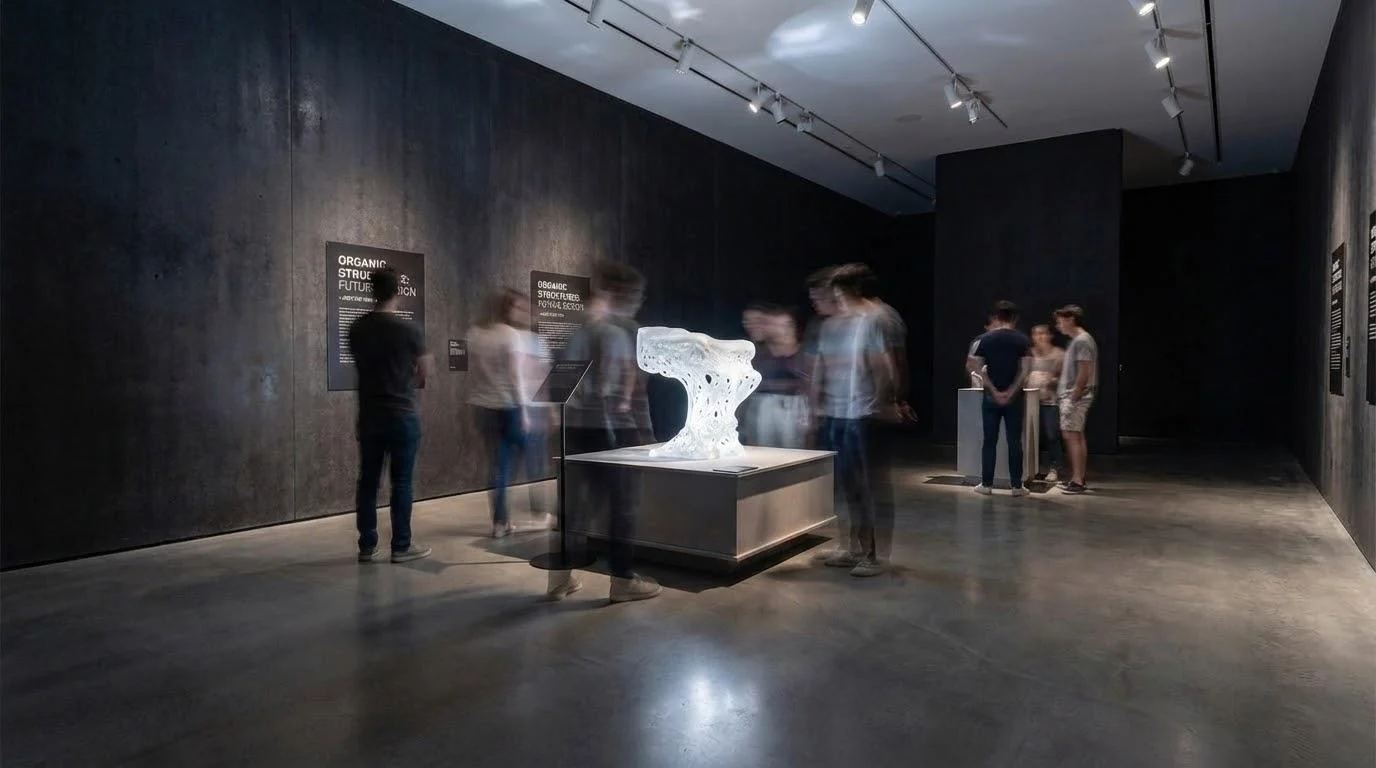
Hunyuan 3D, deeply integrated with ComfyUI, parses the generated 2D multi-views and reconstructs a coherent 3D mesh through depth prediction and voxel reconstruction — directly usable for structural analysis and print slicing. The resulting translucent resin prototype was exhibited as part of Coalescence, presented by the Architectural Association School of Architecture and Alcova at Milan Design Week 2026.